bestpickr™
Best Vlogging Cameras in India (2026)
✔ No fake reviews
✔ Carefully ranked picks
✔ Prices updated today
Fast shortlist
🏆 BEST PICK

⭐ 8.2 AI ScoreTop pick
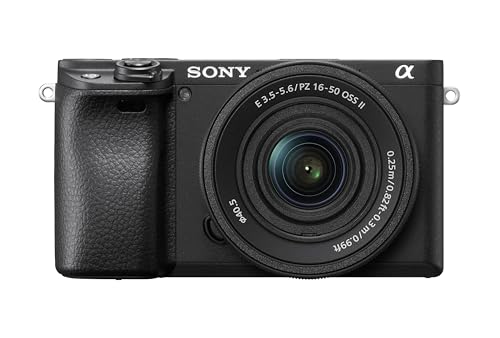
Sony Alpha ILCE-6400M 24.2MP Mirrorless Di
Balanced tablet for study, streaming and daily use.
Students🎓 Students
🔥 Save ₹25,000
₹91,490
Save ₹25,000
🏆 BEST PICK

Sony Alpha ILCE-6400M 24.2MP Mirrorless Di
⭐ 8.2Top pick
BestPickr Verdict
Top pickBetter for practical daily tablet use.
⚠ Skip this if: you need premium-tier features above this budget
Good for
Daily UseValueReliability
Avoid if
Budget Under 25k
BestPickr Take
- ✓ Current top-price fit in this shortlist.
- ✓ In-stock option with verified listing data.
Better for practical daily use. Why this ranks 8 Better for practical daily use.
✔ Compared across 3+ products✔ Price updated today✔ In stock✅ Near lowest tracked price🔥 Best Deal Today✔ Ranked from current product data
Price Insight
Current price is close to the lowest we’ve seen.
Typical price: ₹87,990 - ₹91,490
✅ Best time to buy
Price verified 190 hours ago · Based on available tracked history
₹91,490
₹1,16,490
🔥 Save ₹25,000
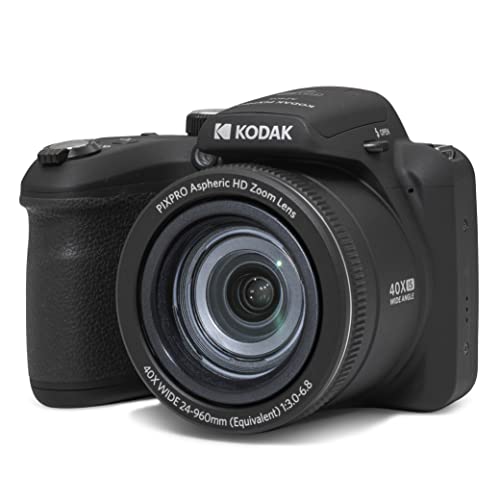
🥈 Best Budget
KODAK PIXPRO AZ405-BK 20MP Digital Camera
Better value if upfront price matters most.
₹28,499
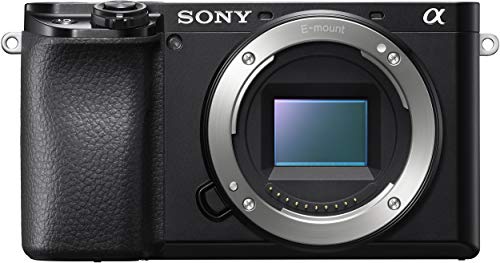
🥉 Best Performance
Sony Alpha ILCE 6100 24.2 MP
Better if stronger performance matters more than lowest price.
₹53,990
How We Tested
Buying the best cameras in India is usually less about one flashy spec and more about matching image quality, creator workflows, and handling to your actual daily routine. Good buyers look for the version that will still feel comfortable after repeated use, not just the model that looks strongest in a product listing.
The most common mistake is overpaying for features that do not change your day-to-day experience. A better choice is the one that balances image quality, lens flexibility, and creator-friendly value for the way you actually use the product.
This guide compares the strongest options available now so you can choose with less regret. Compare the shortlist with Best Cameras in India if you want a second check before making the final call.
Which camera is best under ₹1,00,000?
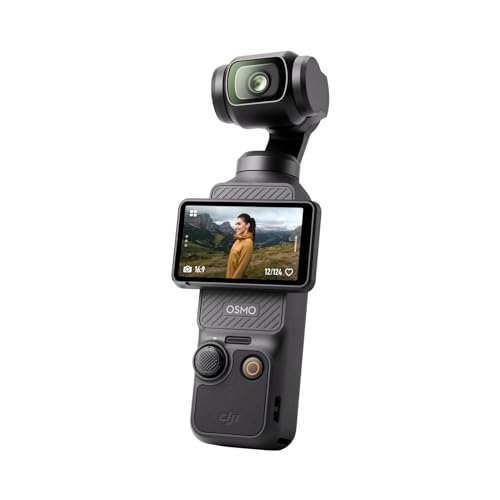
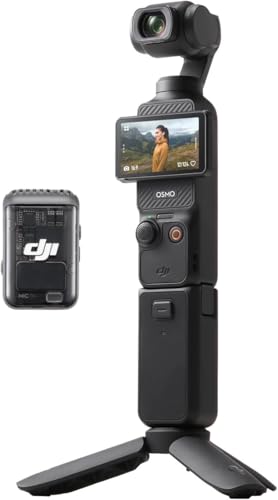
8–10 compact ranked products for faster comparison.



How We Ranked Products
We test whether the page answers the buying question instead of repeating specs.
We compare buyer fit, product balance, and how clearly each pick solves a real need.
We reward models that feel strong in daily use, not just in marketing claims.
We check whether the shortlist gives buyers a useful comparison, not just a product feed.
Who Should Buy This
BestPickr focuses on practical buyer fit, review confidence, and current pricing instead of repeating manufacturer specs.
Products that look strong only in marketing but weak in daily ownership are less likely to stay near the top.
We compare current options against nearby alternatives so the shortlist reflects real buying decisions, not just list formatting.
Common Buying Mistakes
- • Start by deciding which matters most in this category: image quality, lens flexibility, or creator-friendly value. The best buy is rarely the option with the longest feature list.
- • Compare the strongest shortlist against nearby alternatives before buying. Small tradeoffs often change the real winner more than product marketing does.
- • Look for consistent daily usability rather than one-time demo appeal. Products that are easy to live with usually age better than spec-heavy compromises.
- • If two options look similar, choose the one that reduces regret for your specific routine instead of the one that sounds more premium.
- • Use the comparison table as a final sanity check, then buy the model that best matches your actual usage pattern.
Frequently Asked Questions
Which camera is best for most buyers in India?▾
The best camera for most buyers is usually the one that balances image quality, lens flexibility, and creator-friendly value without forcing unnecessary compromises. BestPickr ranks products by practical buyer value rather than by the loudest marketing claims.
What should buyers avoid when choosing a camera?▾
Buyers should avoid choosing only on brand familiarity, discount size, or a single standout spec. In this category, the most useful product is often the one that fits the real usage pattern and stays comfortable to own for longer.
When should I increase my budget for a camera?▾
Increase your budget when your usage needs stronger reliability, better long-term comfort, or more headroom than the current shortlist can provide. If the next tier clearly solves a real problem, stretching slightly is often the smarter buy.
Are cheaper options enough for this category?▾
Cheaper options are enough when your daily use is simple and the lower-cost model still handles the basics confidently. They become weak value when you are trying to force them into a job that really needs a stronger class of product.
How does BestPickr decide what ranks highest?▾
BestPickr combines current price, review depth, practical buyer fit, and category-specific signals so the shortlist reflects real-world value. That helps the page stay useful even when many products look similar on paper.